Wall Spray Foam Insulation
Hot walls and drafts usually come from gaps that batt insulation never seals. Spray foam fills wall cavities completely, including the spaces around wiring and plumbing that leave most homes leaking air.
Hot walls and drafts usually come from gaps that batt insulation never seals. Spray foam fills wall cavities completely, including the spaces around wiring and plumbing that leave most homes leaking air.
Common Issues We Solve
Rooms that never cool down evenly
Air gaps around outlets, pipe penetrations and framing let hot attic and wall air circulate inside. Spray foam seals those paths so conditioned air stays where it belongs.
Humid air getting into walls
In Lake Charles, outdoor humidity pushes through any crack it can find. Closed-cell foam acts as a vapor retarder, stopping moisture before it reaches the drywall or framing.
Walls that feel warm to the touch
Thin or missing insulation lets heat conduct straight through exterior walls. Filling the cavity with spray foam raises the R-value and breaks that heat path.
Open-Cell vs. Closed-Cell for Walls
Open-cell foam is softer and costs less. It fills cavities well and handles noise reduction, but it lets moisture pass through, so it works best in conditioned spaces where the wall is already protected by a vapor barrier. Closed-cell foam is denser, adds structural strength, and stops moisture movement on its own. For exterior walls in this climate, closed-cell is usually the right call.
What Wall Spray Foam Works Best For
Spray foam is especially useful when standard batt installation would leave gaps or compress around obstacles. It is the go-to choice in these situations:
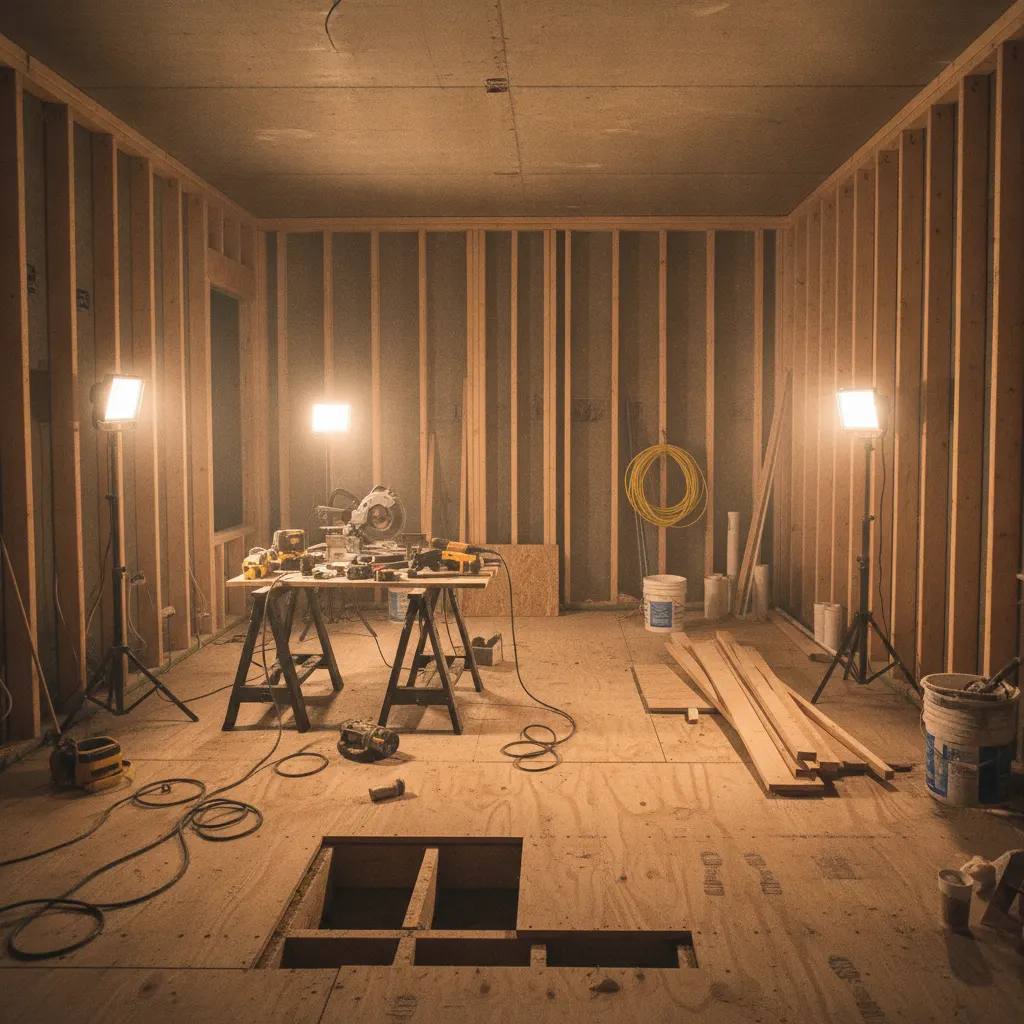
- New construction before drywall is hung
- Additions where wall cavities are open
- Remodels with exposed framing
- Older homes where batts have settled or were never installed
- Walls with heavy wiring or plumbing runs
How Lake Charles Summers Affect Exterior Walls
Gulf humidity means the air pushing against your walls carries a lot of moisture. That moisture finds gaps around outlets, switch boxes and pipe penetrations and moves into the wall cavity. Over time it can feed mold and rot framing. Spray foam removes those entry points entirely, which matters more here than in drier climates where air sealing is treated as optional.
Why Choose Spray Foam Insulation Lake Charles
Licensed & Insured
Fully licensed and insured for your protection.
Fast Service
Quick response times and same-day availability.
Upfront Pricing
No hidden fees. Know the cost before we start.
Satisfaction Guaranteed
We stand behind our work 100%.
Schedule Your Service
Fill out the form below to request an appointment.
What Lake Charles Customers Say
Don't just take our word for it
Excellent service from start to finish. Professional, on time, and fair pricing. Highly recommend!
They went above and beyond to solve our issue. Will definitely use again for future work.
Frequently Asked Questions
Can spray foam be added to walls that already have batt insulation?
It depends on whether the wall is open or enclosed. If the drywall is in place, the existing batts usually stay. Spray foam is most effective when applied to an open cavity before the wall is closed up.
Will spray foam in walls help with outside noise?
Open-cell foam does reduce sound transmission through walls. It is not a dedicated acoustic product, but it performs noticeably better than fiberglass batts for blocking outdoor noise.
Does closed-cell foam actually make a wall stronger?
Yes. Closed-cell foam bonds to the framing and sheathing and adds racking resistance. It is a recognized structural benefit, though the wall still needs to meet code on its own framing.
Is spray foam in walls a good fit for a remodel after hurricane damage?
It is one of the best times to do it. When walls are already open for repair, adding closed-cell spray foam costs far less than opening them later and upgrades the whole envelope in one step.